
1Win JetX Signals
The idea of 1Win JetX signals appeals to many players who want a simple way to navigate a fast and unpredictable game. Signals are usually presented as recommendations or “alerts” that tell you when to enter a round, what multiplier to aim for, or when to avoid betting altogether. For beginners, the promise sounds attractive: less thinking, fewer mistakes, and supposedly more consistency. Players search for these tools because 1Win JetX moves quickly, and decisions must be made instantly. The idea that someone else or some system can guide these choices feels reassuring. But to understand what signals actually offer, it’s important to look closely at how they work and what expectations they create.
What JetX Signals Mean
Signals are short pieces of information intended to influence your decisions during a round. Different sources present them differently, but the structure is usually the same: a suggested multiplier, a recommended cashout level, or a brief comment about whether the round is “safe” or “high-risk.” Many users believe that JetX game signals can give them an edge, but most signals are simply guesses wrapped in confident wording.
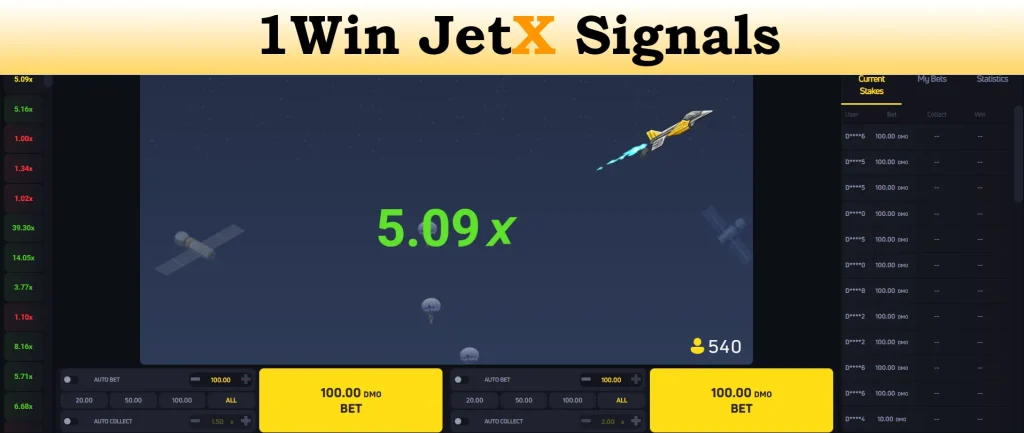
What signal providers usually promise
Sellers often claim extremely high accuracy. A typical provider markets 1Win JetX signals as a tool with 90–98% reliability, guaranteed profits, and “mathematically proven” predictions. They suggest that their system can detect upcoming multipliers or anticipate low-crash rounds. Some even promise access to methods “hidden from regular players.” These statements are designed to attract customers, not to reflect actual game mechanics.
What signals typically look like in practice
When you subscribe to a provider, the real JetX game signals you receive often look more like short hints than precise instructions. Examples include:
- “Cashout at 1.50× this round”
- “Skip the next 2 rounds”
- “High multiplier incoming soon”
These messages are usually based on recent round history, not on any deeper insight. Many players assume the signals come from advanced analysis, but in reality, they are simply interpretations of visible data. Some players also search for a 1Win JetX predictor hoping for something more reliable than simple hints, but these tools rely on the same guesswork and cannot access future crash values.
Why people search for signals in the first place
Players look for game signals because they want clarity, structure, and confidence. Some feel overwhelmed by the fast pace of crash-style titles. Others want to avoid emotional mistakes, such as cashing out too late or chasing losses. Many users also hope for a shortcut — a simple way to make better decisions without learning strategies or risk management. This emotional desire is what keeps signal groups growing, especially on platforms like Telegram.
Can Signals Predict Outcomes?
Many players ask whether signals can truly predict results in a game, and the short answer is no. This crash game is built on a random, independent multiplier generator that does not share future values with external tools or apps. Even a 1win JetX predictor cannot access upcoming multipliers or calculate future crash points, because they simply do not exist until the round begins.
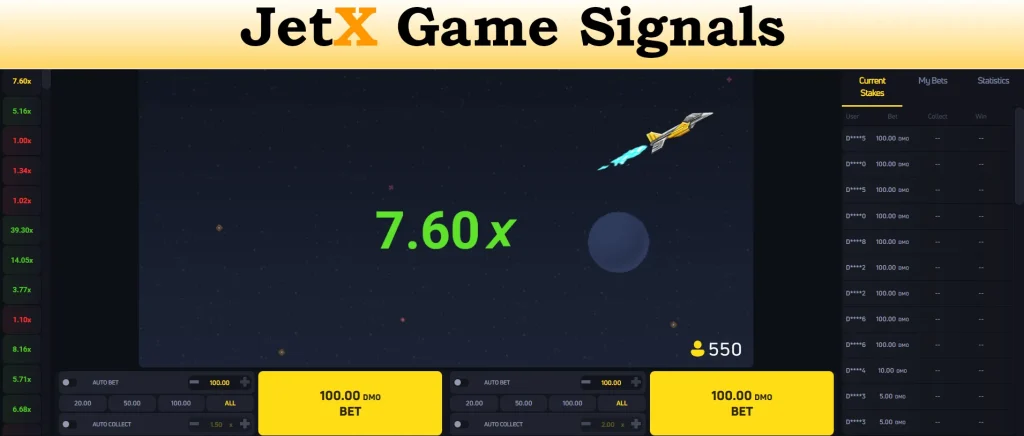
Random rounds and why prediction is unreliable
Each round is mathematically isolated and unpredictable. Regardless of how many signals you receive, they cannot reveal the next crash point because it does not exist until the moment the round begins.
Why round history can mislead you
Most signal providers rely on previous rounds, but past results do not affect future outcomes. Players often fall for the illusion of patterns — long streaks of low multipliers or sudden clusters of high ones — but these patterns have no predictive value.
The difference between guidance and forecasting
Guidance can help you stay disciplined, but forecasting means predicting the exact multiplier. JetX game signals can offer suggestions, but they cannot predict outcomes. Treating them as guidance — not truth — is the only safe approach.
Where JetX Signals Come From
Signals spread quickly because they are easy to package, easy to sell, and easy to believe in. Most sources follow the same pattern: they take publicly visible round history, apply simple interpretations, then present these interpretations as insights. Understanding where signals originate helps you avoid unrealistic expectations and recognize which sources exist only to profit from users.
Telegram groups and why they spread fast
Telegram is the biggest hub for 1Win JetX signals because groups are simple to create and grow rapidly. Admins rely on psychological triggers: fast communication, screenshots of successful rounds, and bold claims of accuracy. These groups rarely provide real value — the main goal is monetization. Some offer “premium access,” while others require monthly payments for “exclusive” JetX game signals that are no different from free guesses.
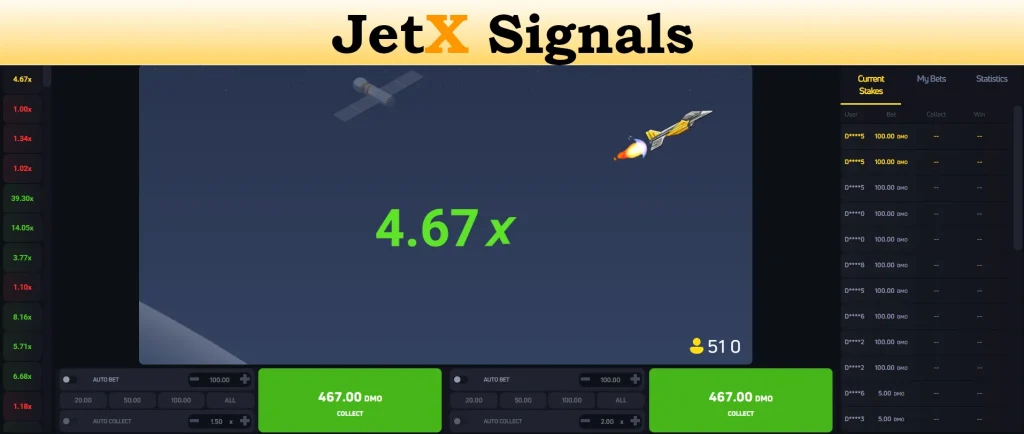
Apps and websites that sell subscriptions
Some websites sell signals through subscription-based apps. These tools often display charts, trends, and colorful indicators that appear scientific but actually pull data directly from the game’s public history. Users often assume that the presence of an app means legitimacy. In reality, the predictions are merely stylized guesses dressed as advanced analysis.
Casino branded signals and marketing angles
In some cases, casinos promote signals indirectly through influencers or affiliates. This is primarily a marketing strategy to attract new players. The signals themselves are not more accurate — they simply encourage activity on the platform. When you see branded 1Win suggestions, treat them as promotional content, not predictive tools.
How Signals Are Commonly Presented
Signal providers rely on presentation to create trust. The way signals look and feel often matters more than the accuracy behind them.
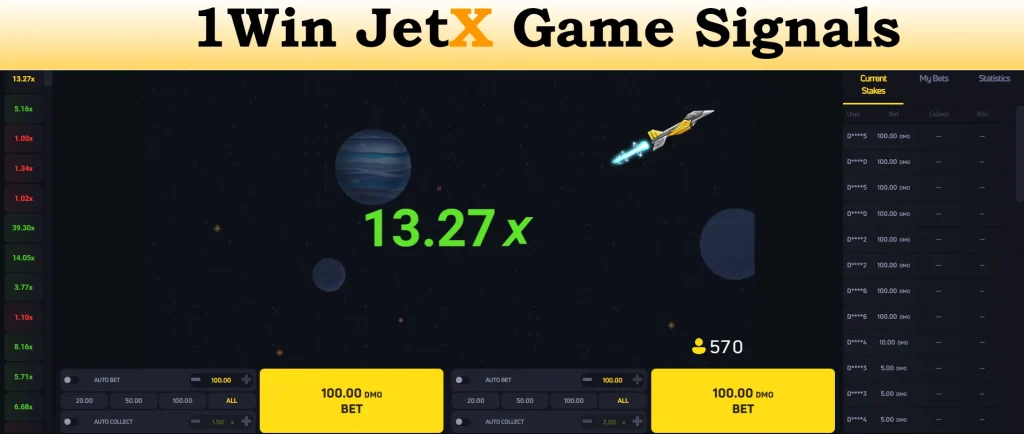
Live alerts and recommended cashout targets
The most common form of JetX game signals is live notifications telling you when to enter a round and when to exit. These alerts typically include simple lines such as “Cash out at 1.40×” or “Do not bet this round.” They are often just interpretations of recent rounds or outputs from automated scripts, not genuine forecasts.
Stake size suggestions and progressive bet plans
Many signal groups include stake recommendations like “double your bet after a loss” or “raise your stake after three safe rounds.” These systems are risky because they encourage chasing losses. Providers present them as structured plans, but they are simply variations of old betting schemes.
Screenshot culture and selective results
Screenshots are a major part of signal marketing. Providers frequently post only the winning examples while deleting the losing ones. This creates the illusion that 1Win JetX signals are highly accurate, even when the majority of calls fail. The visual effect convinces new users that the system works, even though it does not.
If You Still Follow Signals Use A Safety Checklist
If you choose to experiment with signals, you must protect yourself with strict safety measures.
Never Share Account Access and Avoid Risky Permissions
No signal provider should ever ask for login details or permissions beyond basic app access. If a tool requests control over your device or account, stop immediately.
Set strict limits before you start a session
Establish a stop-loss, stop-win, and session duration rule. Signals can encourage emotional decisions, so limits help protect your balance even when calls go wrong.
Track outcomes honestly and stop if you chase losses
Write down both wins and losses. If you notice yourself increasing stakes due to frustration, leave the session. Signals often trigger emotional chasing rather than controlled play.
FAQ
Are these signals accurate?
Do paid signal groups offer better results?
Can signals prevent losses?
Why do signal groups show only winning screenshots?
Are signals useful for beginners?



I’m Arjun Mehta, and here I explore the idea behind JetX Signals – short alerts or suggestions that claim to guide players when entering or leaving a round. This crash game is fast, and people often look for shortcuts. But most signals are simply interpretations, not reliable indicators.
On this page, I explain what signals can realistically offer, where their limitations lie, and why good decisions still rely on understanding the random crash system behind the game. My goal is to provide honest, grounded insight without overstating what signals can achieve.